
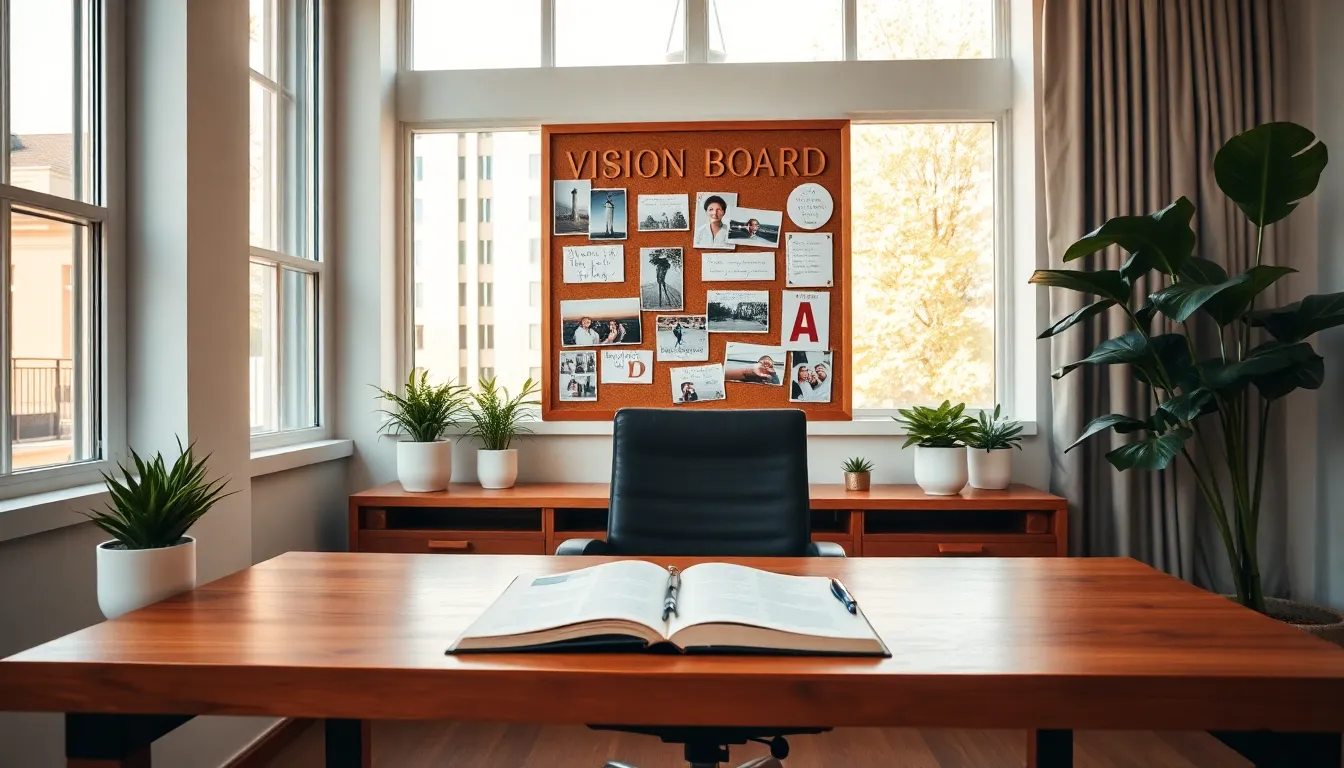
Lifestyle inspiration techniques can reshape how people approach each day. Many individuals struggle to stay motivated. They wake up, go through the motions, and wonder why progress feels slow. The problem often isn’t effort, it’s direction.
The right inspiration techniques provide that direction. They turn vague desires into clear actions. They help people see possibilities instead of obstacles. And they create momentum that builds over time.
This guide covers practical lifestyle inspiration techniques that work. From environment design to habit formation, each method offers a concrete way to spark motivation and maintain it. These aren’t abstract ideas. They’re strategies real people use to create meaningful change in their daily routines.
Table of Contents
ToggleKey Takeaways
- Lifestyle inspiration techniques turn vague desires into clear, actionable steps that build momentum over time.
- Curating your environment with visual cues, natural lighting, and organization creates passive motivation that requires no willpower.
- Effective vision boards connect emotions to specific goals and should be placed where you’ll see them daily.
- Journaling methods like morning pages, gratitude journaling, and goal-focused writing clarify goals and build self-awareness.
- Community connections through masterminds, mentors, and accountability partners provide powerful external motivation.
- Convert inspiration into lasting habits by starting small, tracking progress visibly, and using habit stacking techniques.
Curating Your Environment for Daily Motivation
The space around a person shapes their mindset. Cluttered rooms create cluttered thinking. Dark spaces drain energy. A well-designed environment, on the other hand, can serve as one of the most effective lifestyle inspiration techniques available.
Start with visual cues. Place objects that represent goals in visible locations. A guitar near the couch reminds someone to practice. Running shoes by the door prompt morning jogs. These small environmental tweaks reduce the mental effort needed to take action.
Lighting matters more than most people realize. Natural light boosts mood and energy levels. When natural light isn’t available, warm artificial lighting creates a welcoming atmosphere. Harsh fluorescent lighting does the opposite.
Organization plays a key role too. A clean desk signals productivity. An organized closet makes mornings easier. When everything has a place, the brain spends less energy on decisions and more on meaningful work.
Sound can also shape inspiration. Some people thrive with background music. Others need silence. Experiment with different audio environments to find what sparks creativity and focus.
The goal is simple: make the environment work for motivation, not against it. Every object, light source, and sound either adds energy or drains it. Lifestyle inspiration techniques that address environment create passive motivation that requires no willpower.
Building a Vision Board That Actually Works
Vision boards have a mixed reputation. Some dismiss them as wishful thinking. Others swear by their power. The difference between effective and ineffective vision boards comes down to execution.
A useful vision board connects emotions to specific goals. It doesn’t just show a beach house, it captures the feeling of financial freedom and relaxation that house represents. This emotional connection is what makes vision boards work as lifestyle inspiration techniques.
Here’s how to build one that delivers results:
- Be specific. Vague images produce vague outcomes. Instead of a generic “success” picture, choose images that represent concrete milestones.
- Include action steps. Add images or words that represent the daily behaviors needed to reach goals. A marathon finisher photo paired with “run three times weekly” creates a clear path.
- Update regularly. Goals change. Achievements happen. A vision board should evolve with the person using it.
- Place it strategically. A vision board hidden in a closet won’t inspire anyone. Put it where daily viewing happens naturally, near the bathroom mirror, beside the bed, or as a phone wallpaper.
Digital vision boards work too. Apps and Pinterest boards allow easy updating and constant access. The format matters less than the practice of regular engagement.
The real power of vision boards lies in priming. Daily exposure to goals keeps them front of mind. This mental availability makes people more likely to notice opportunities and take aligned actions.
Journaling Methods to Clarify Your Goals
Journaling ranks among the most versatile lifestyle inspiration techniques. It costs nothing, requires no special skills, and adapts to any personality or schedule.
Morning pages work well for many people. This technique involves writing three pages of stream-of-consciousness content immediately after waking. The practice clears mental clutter and often surfaces insights that structured thinking misses.
Gratitude journaling shifts focus toward positive experiences. Writing three things to be grateful for each day trains the brain to notice good moments. This positive attention creates a foundation for inspiration.
Goal-focused journaling takes a more direct approach. Writers describe their ideal future in present tense, as if they’ve already achieved their aims. “I run a successful business” feels different than “I want to run a successful business.” The first statement activates problem-solving. The second just expresses desire.
Prompt-based journaling helps people who struggle with blank pages. Questions like “What would I do if I couldn’t fail?” or “What small win can I achieve today?” provide structure while still encouraging reflection.
Consistency beats perfection with journaling. Five minutes daily produces better results than occasional hour-long sessions. The compound effect of regular writing builds self-awareness over time.
Some people prefer digital journals. Others need pen and paper. Both work. The key is finding a method that feels sustainable and sticking with it long enough to see benefits.
Finding Inspiration Through Community and Connection
Isolation kills motivation. Humans are social creatures. Connection with others provides some of the most powerful lifestyle inspiration techniques available.
Masterminds bring together small groups of people with similar goals. Members share challenges, offer solutions, and hold each other accountable. The collective wisdom of a mastermind often exceeds what any individual could generate alone.
Mentorship accelerates growth. Learning from someone who has achieved desired outcomes saves years of trial and error. Mentors provide not just knowledge but also belief, seeing someone else succeed makes success feel possible.
Online communities offer accessible connection. Reddit forums, Facebook groups, and Discord servers exist for nearly every interest. These spaces provide 24/7 access to people who understand specific struggles and can offer relevant encouragement.
In-person meetups create deeper bonds. Local clubs, workshops, and networking events put people face-to-face with others pursuing similar paths. These connections often lead to friendships, partnerships, and unexpected opportunities.
Accountability partners deserve special mention. Having one person who checks in regularly on progress creates external motivation. People often work harder to avoid disappointing others than to satisfy themselves.
The people in someone’s life shape their expectations. Surrounding oneself with ambitious, positive individuals raises the bar. Their lifestyle inspiration techniques become contagious. Their standards become normal.
Turning Inspiration Into Lasting Habits
Inspiration without action fades quickly. The best lifestyle inspiration techniques include systems for converting motivation into habits that stick.
Habit stacking connects new behaviors to existing routines. “After I pour my morning coffee, I will write in my journal” links the new habit to an established trigger. This connection reduces the need for willpower.
Start small, ridiculously small. A goal of “exercise for two minutes” seems almost too easy. That’s the point. Small wins build confidence and establish patterns. Expansion happens naturally once the habit takes root.
Track progress visibly. A calendar with X marks for completed habits creates momentum. Breaking a streak feels uncomfortable. This discomfort motivates continued action even when enthusiasm wanes.
Reward systems reinforce positive behaviors. The reward doesn’t need to be large, a small treat or brief relaxation after completing a habit strengthens the behavior loop.
Environment design supports habit formation too. Remove friction from good habits. Add friction to bad ones. Want to read more? Keep a book on the pillow. Want to watch less TV? Unplug it after each use.
Expect setbacks. Missing one day doesn’t erase progress. The goal is consistency, not perfection. Research shows that occasional lapses don’t significantly impact long-term habit formation. What matters is returning to the behavior quickly.
Lifestyle inspiration techniques work best as systems, not one-time events. Building habits ensures that motivation doesn’t depend on feeling inspired every day.

